A clean patio changes the look of an entire outdoor space. Issues like stubborn dirt and black spot staining can make even high-quality stone look aged and neglected.
Getting professional patio cleaning results at home comes from using the right process. Proper product choice and using the right technique help homeowners clean more effectively and protect the appearance of stone surfaces over time.
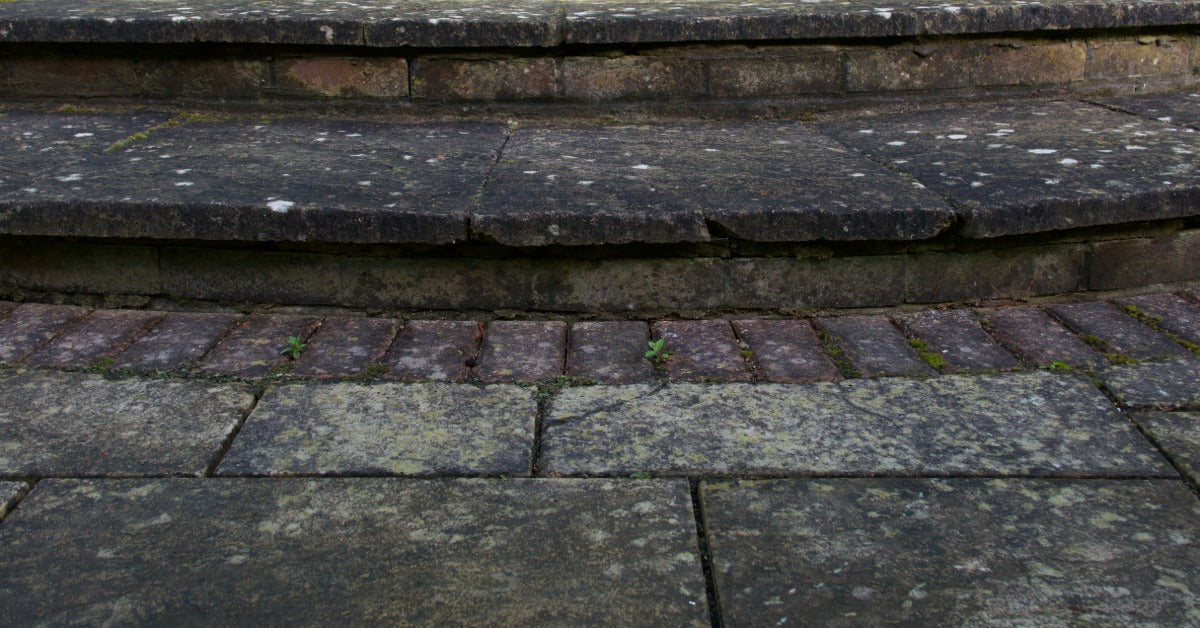
Many patios collect more than loose surface dirt. Organic growth settles into the pores of stone and creates staining that basic washing often fails to remove.
Professional-looking results depend on more than a quick rinse. The best outcome comes from matching the cleaning method to the type of buildup on the patio. Find out how to match the technique and product to your patio for a professional look at home.
Start With The Right Surface Assessment
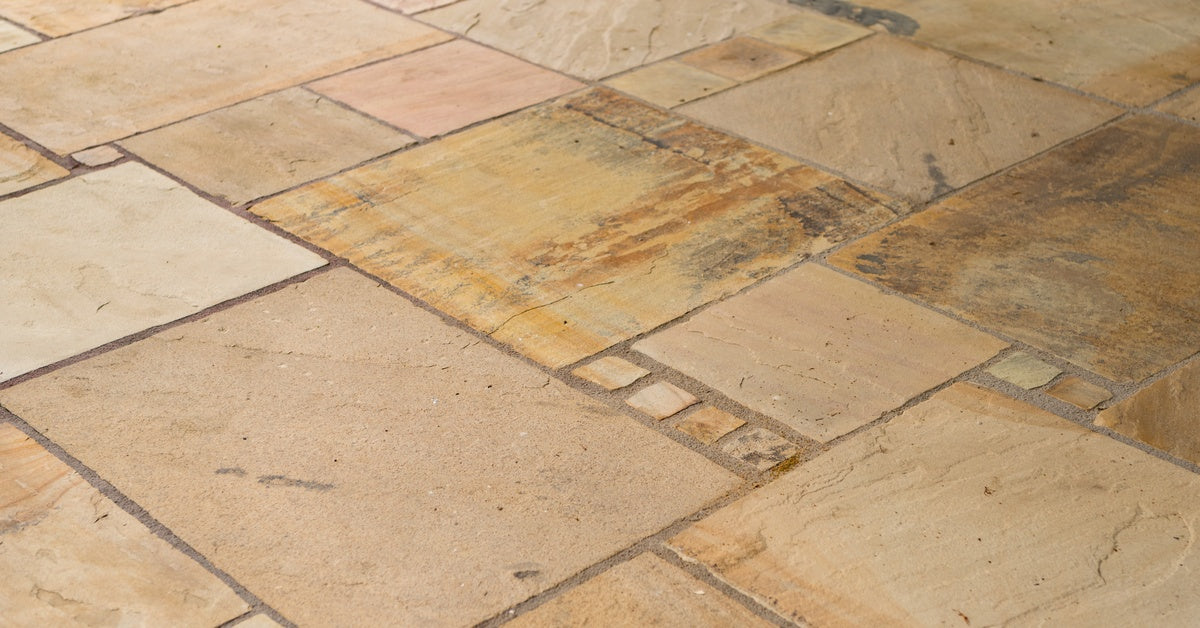
Every patio cleaning job should begin with a close look at the surface. Stone type, type of stain, drainage issues, and how shaded the area is all affect how much cleaning is needed. Shaded sections often show the worst buildup because they stay damp longer. Sandstone, bluestone, and other natural stone surfaces can also show staining more clearly than some manufactured materials.
A visual inspection helps separate general grime from more stubborn biological growth. Black spots, algae, and lichen usually need a targeted cleaning formula instead of a general-purpose wash. Homeowners who identify the source of the staining early can choose a more effective treatment and avoid repeating the same cleaning job weeks later.
Clear The Area Before Cleaning
Professional-looking patio cleaning starts with a clear work area. Move furniture, planters, grills, and decorative items off the patio before putting any product down.
Sweep loose debris like leaves and soil back, as this stops the product getting into contact and makes the surface harder to clean evenly. A dry sweep also reveals where the heaviest staining sits. That makes it easier to apply cleaning solutions with better accuracy and less waste.

Choose Products Built For Removing Patio Growth
Homeowners often expect any outdoor cleaner to work on a patio. However, surface dirt and biological staining require different cleaning products.
The strongest results come from using formulas designed for stone cleaning and organic staining. Patio cleaner products made for organic staining help break down stains that household cleaners and basic soaps leave behind.
Choosing the right cleaning product is especially important when black lichen appears on the surface. Black spots grow within the stone and can’t be removed with a pressure washer or general algae removers.
A targeted patio cleaner saves effort and improves consistency. Instead of scrubbing the same section over and over, the product does more of the heavy lifting from the start.
Avoid Common Cleaning Mistakes
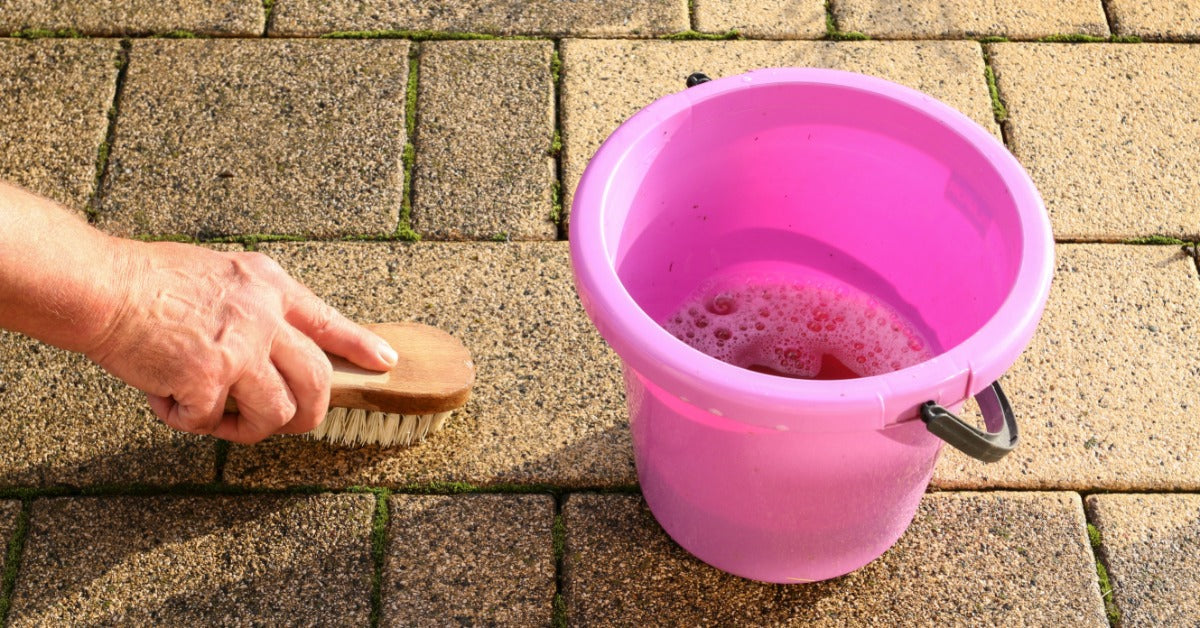
Patio cleaning at home often goes wrong because of rushed technique. Too much pressure, the wrong cleaner, or uneven application can leave a patio patchy instead of refreshed.
Some mistakes also create longer-term problems. Harsh methods can damage the look of natural stone or leave behind inconsistent coloring. Acidic products can leave orange staining on natural stone.
The most common issues include:
- Using a cleaner not meant for stone patios
- Applying product unevenly across the surface
- Letting debris sit before treatment
- Relying on pressure alone for black spot removal
- Ignoring heavily shaded or damp sections
Avoiding these problems makes a major difference in the final result. A careful process almost always outperforms an aggressive one.
Apply Product With A Consistent Method
Consistency separates average cleaning from professional-looking cleaning. Each section of the patio should receive the same level of product coverage and dwell time.
Working in manageable areas helps maintain control. Working in smaller sections of 20-30 square meters helps prevent missed areas and makes it easier to track progress across the patio. Even application also improves visual balance once the patio dries. Random overlap or skipped sections can leave clean and dirty patches side by side, which makes the surface look unfinished.
Careful coverage matters most on heavily stained areas. Black spots and organic growth need direct contact with the cleaning formula to break down effectively.
Give The Cleaner Time To Work
One of the biggest differences between amateur and professional results is patience. A cleaning product needs enough contact time to loosen staining and organic buildup properly. Rinsing too soon reduces effectiveness and often leads to repeat work. Homeowners may assume the product failed when the real issue was not giving it enough time on the surface.
A proper dwell period allows the formula to reach into textured stone. That helps lift grime and biological growth more thoroughly than scrubbing alone. Less force is usually needed during rinsing when the cleaner has had time to do its job.
Avoid Pressure Washing Natural Stone
Pressure washing can be helpful in certain areas of patio cleaning, but it’s also important to know when to avoid it. When used alone, it can remove loose dirt without solving the deeper staining underneath. Plus, at too high of settings, it can carve into stone and make mold and lichen harder to clean in future sessions, opening up the pores of the stone.
High pressure may clean the surface appearance temporarily while leaving the root of the staining behind.
Careful pressure washing can help rinse away loosened debris after treatment. It can also help reveal a more even finish when paired with the right cleaning formula.

Focus On Black Spots And Problem Areas
Professional results often depend on treating the worst sections separately. High-traffic paths, damp corners, and shaded edges usually need extra attention.
Black spots require the most patience because they bond strongly to the stone surface. A targeted remover designed for this specific problem improves the chance of a full clean rather than a partial improvement.
Homeowners should not expect every stain to respond at the same speed. Some sections may clear quickly while darker, more established staining takes more than one treatment cycle. This does not mean the process failed, just that the patio has areas with heavier contamination that need a more focused approach and repeat applications.
Clean For Appearance And Ongoing Maintenance
Routine sweeping, quick attention to damp corners, and seasonal treatment all help extend results. Small habits reduce how much organic matter settles and grows between deeper cleanings.
For homeowners dealing with recurring black spot growth, combining deep cleaning with the right follow-up care supports a longer-lasting result. Patio appearance also improves when maintenance stays consistent across the full surface. Clean center panels with neglected edges or joints still make the patio look unfinished.
Get Better Results With The Right Support
Professional-looking home patio cleaning starts with the right system. Strong surface prep, targeted treatment, and smart upkeep all play a role in producing a cleaner, more even finish.
Patio Black Spot Removal Inc. offers specialized solutions designed to tackle stubborn black spots and other common forms of patio growth. Explore Patio Black Spot Remover and the full product range today, and choose a more effective way to restore the natural beauty of stone patios.