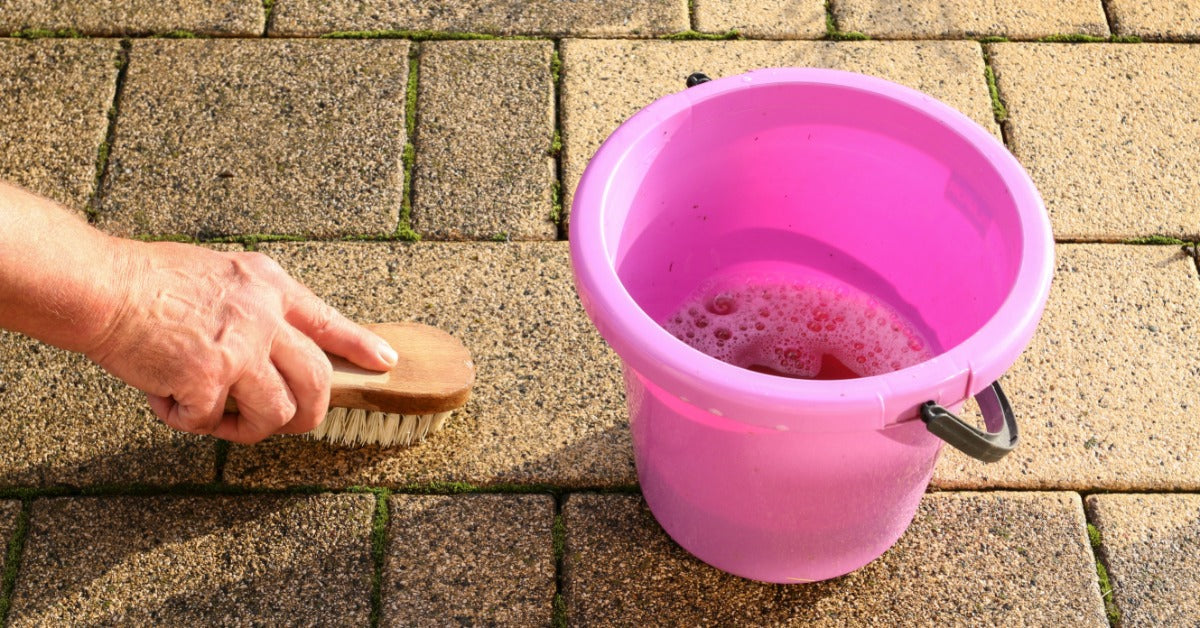
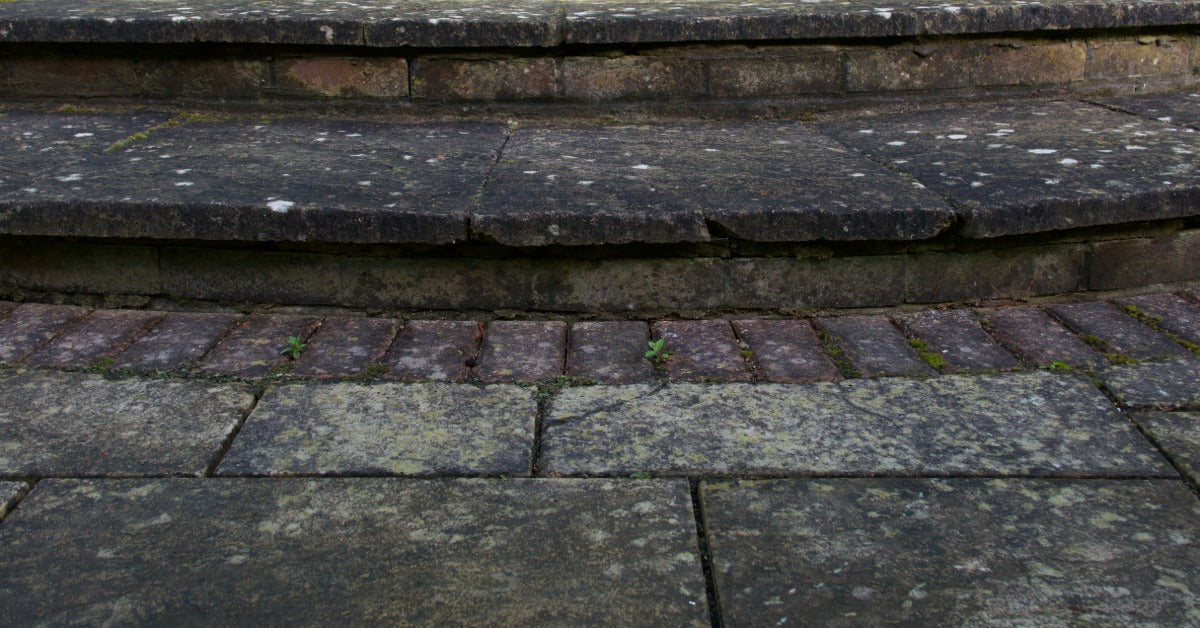
A stained patio can look like a simple cosmetic problem, but mold and algae growth often point to deeper surface conditions. Moisture combined with organic debris and porous paving materials can create the right setting for stains, slippery patches, and stubborn black marks.
Homeowners often notice green film, dark streaks, or black spots after damp weather or long periods without cleaning. Mold and algae growth behind these spots can actually point to hidden dangers for your patio. A specialist patio cleaning formula can help treat these growths at the source, rather than only improving the surface appearance for a short time.
Why Patio Mold and Algae Grow
Your backyard patio is exposed to rain, humidity, soil, leaves, and airborne spores. Stone, concrete, and block paving can hold moisture in surface textures, which gives organic growth a place to settle.
Algae usually appears as a green, slick layer across damp areas. Mold and mildew prefer shaded, poorly ventilated spots where moisture lingers. You’ll notice this especially near walls, planters, fences, and garden borders.
Black lichen creates another common problem on outdoor stone. Unlike surface algae, black lichen attaches firmly to porous materials and can leave black spots that resist standard detergents and pressure washing.
The Safety Risk Underfoot
The most immediate danger from patio algae comes from reduced grip. Green algae can create a slippery surface, especially after rain and other moisture sources.
Mold, mildew, moss, and algae can make everyday outdoor movement less secure. Steps and frequently used patio entrances need regular attention because foot traffic increases the chance of slips.
A clean patio prevents these slippery conditions to support safer outdoor living. Proper cleaning also helps homeowners spot cracks, loose joints, uneven slabs, and drainage issues before small problems become larger repairs.
The Difference Between Algae, Mold, and Black Spots
Algae, mold, and black lichen do not behave the same way. Algae forms a slick surface film, mold grows in damp and shaded areas, and black lichen anchors more deeply into porous stone. Correct identification saves time and effort. Green stains, dark patches, and black spots each call for a cleaning approach that matches the surface and the type of staining.
This difference matters because one cleaning method may not solve every stain. A product that removes green algae may not fully remove black spots, and a general patio detergent may not reach embedded organic staining.
Why Stains Can Return After Basic Cleaning
Many homeowners try household cleaners or pressure washing first. These methods may remove loose dirt and some green surface growth, but deeper organic staining can remain inside the stone. Pressure washing usually only creates a clean look for a short period. Strong pressure can also roughen natural stone and leave more tiny surface openings where moisture and spores collect again.
A targeted patio cleaning formula addresses the staining directly. A patio black spot remover can help lift stubborn organic staining and restore the natural appearance of suitable stone surfaces when used according to product directions.
Hidden Moisture Problems
Mold and algae growth often reveal moisture patterns around a patio. Poor drainage, blocked channels, low spots, overhanging trees, and dense planting can all keep paving damp for longer than necessary.
These conditions make stains more persistent. Constant moisture can also encourage moss in joints and faster regrowth after cleaning. A patio does not need constant direct sunlight to stay clean, but airflow and drainage matter. Regularly clearing leaves, soil, and garden debris reduces the organic matter that feeds surface growth.

How Mold and Algae Affect Patio Materials
Different paving materials react to staining in different ways. Natural stone, including sandstone, limestone, and bluestone, often contains pores and surface texture that allow moisture and spores to settle.
Concrete and block paving can also collect growth in joints, edges, and textured areas. Artificial stone may need a formula designed for that specific surface type, since the wrong cleaner can affect appearance or performance.
Organic growth can dull color and make newer paving look older than expected. The right treatment helps restore clarity without relying on harsh acidic cleaning methods.
Common Warning Signs on a Patio
Homeowners can often identify organic growth before stains spread across a larger area. Early treatment can reduce cleaning effort and help maintain a more attractive outdoor space.
Common warning signs include:
- Green film that feels slippery after rain
- Black spots that remain after washing
- Musty odors near shaded patio areas
- Dark staining along edges, joints, or planters
- Moss growth between paving blocks or slabs
- Dull stone color under dirt and organic buildup
These signs do not always mean a patio needs major work. They do show that moisture and organic growth need attention.
Why Household Cleaners Often Fall Short
Household cleaners may lighten surface marks, but patio stains often need a formula built for outdoor stone and paving. Some general cleaners only act on loose surface grime and fail to address lichen or mildew properly.
Acidic products can also create concerns for natural stone. Acid can affect sensitive surfaces and may change the finish, so homeowners should use formulas that suit the material and the stain.
Patio Black Spot Removal Inc. offers biodegradable, acid-free cleaning products designed for patio restoration. Our product range includes formulas for black spots, algae, lichen, mold, and mildew across suitable patio surfaces.
A professional-grade patio cleaner should help restore color, reduce stubborn organic staining, and support routine maintenance. Clear instructions also help homeowners apply the product safely and avoid unnecessary surface damage.
Patio cleaning products can work alone or as part of a maintenance routine. Remover formulas help address existing stains, while preventer formulas can help reduce the return of growth when applied as directed.
How to Reduce Future Growth
Ongoing care helps limit mold and algae buildup. Homeowners should keep patios clear of wet leaves, soil, and debris because organic matter traps moisture and supports growth.
Trimming back dense planting can improve airflow and sunlight exposure. Checking gutters and drainage routes can also stop excess water from collecting on paving. Routine cleaning keeps stains from becoming more difficult to remove. A targeted black spot preventer product can add another layer of maintenance for patios that face shade, damp weather, or frequent organic buildup.

When Stains Need Targeted Treatment
A patio needs targeted treatment when black spots, slippery algae, or dark staining remain after basic cleaning. These signs show that growth has found protected areas inside texture and pores, which is when you’ll start to experience the hidden dangers of patio mold and algae growth.
Patio Black Spot Removal Inc. supplies patio cleaning products designed to remove stubborn organic staining and restore outdoor stonework. Explore our patio cleaning product range to choose the right remover or preventer formula for a safer and better-looking patio.